Elevate Designs with White Linen Textures
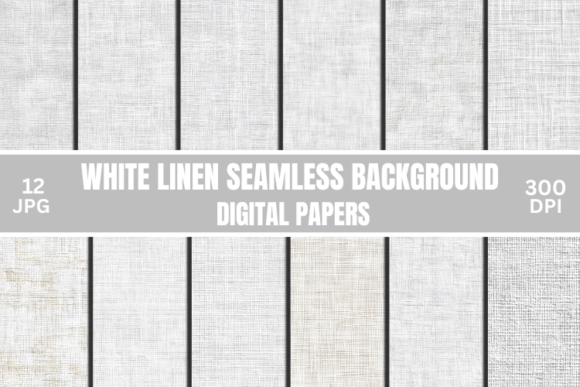
In the realm of modern graphic design, texture is often the unsung hero that transforms a flat composition into a tactile experience. Integrating a White Linen Seamless Background Digital element into your workflow offers an immediate sense of sophistication and organic warmth. As designers and brand strategists seek to humanize digital interactions, the appeal of natural fabrics like linen and burlap has surged, providing a calming counterpoint to the sterile precision of vector graphics.
The Power of Subtle Texture in Visual Communication
Visual design is not just about color and shape; it is about feeling. A seamless linen background introduces a layer of depth that engages the viewer on a subconscious level. This subtle crosshatch pattern mimics the irregularity of woven fabric, creating a visual rhythm that guides the eye without overwhelming the primary content. For professionals focused on brand identity and user experience, these textures serve as excellent neutral foundations that enhance readability while adding character.
When utilized correctly, these assets support visual hierarchy by allowing typography and key imagery to pop against a refined, non-distracting backdrop. The muted natural tones—soft whites, beiges, and greys—ensure that your message remains the focal point, adhering to principles of clean, modern aesthetics.
Versatile Applications for Creative Projects
The utility of high-resolution linen textures extends far beyond simple backgrounds. Their adaptability makes them indispensable across various mediums in your design workflow. Here is how you can leverage these assets effectively:
- Branding and Logo Design: Use linen textures in mockups to present logos in a realistic, premium context, helping clients visualize their brand in physical spaces.
- Packaging Design: The rustic charm of distressed fabric patterns works exceptionally well for eco-friendly products, artisanal goods, and luxury items seeking an organic appeal.
- Social Media Graphics: Create cohesive feed aesthetics by using repeatable linen patterns as backdrops for quotes, product highlights, or educational carousels.
- Editorial and Web Design: Incorporate these textures as subtle overlays in UI design to reduce eye strain and add warmth to long-form reading experiences.
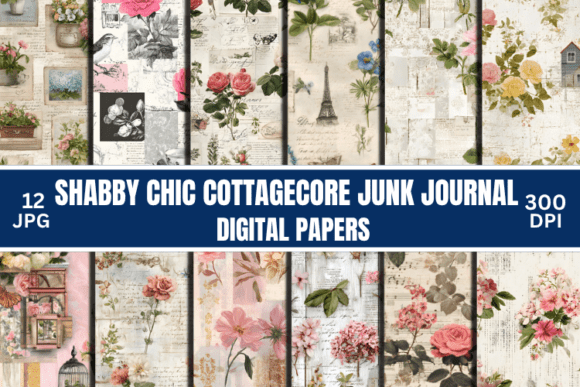
- Digital Products and Junk Journals: For creators selling printable bundles, these backgrounds provide the perfect canvas for scrapbooking elements, stickers, and planner inserts.
Technical Quality and Design Consistency
When selecting creative assets, technical specifications are paramount. A professional-grade digital paper bundle should offer high resolution, typically 300 DPI, to ensure crisp printing and scalability. For instance, a file size of 3600 x 3600 pixels provides ample room for cropping and manipulation without losing detail. This level of quality is essential for maintaining a professional presentation whether the final output is a large-format print or a high-density digital display.
Consistency in tone and lighting across a set of textures is equally important. A well-curated collection ensures that all elements share a cohesive color palette, allowing for seamless integration into existing brand systems. This uniformity simplifies the design process, enabling marketers and designers to maintain visual consistency across multiple campaigns and platforms.
Tips for Effective Implementation
To maximize the impact of linen and canvas textures, consider the following best practices:
- Mind the Contrast: Ensure there is sufficient contrast between your text and the textured background. If the linen pattern is busy, consider adding a semi-transparent overlay to improve legibility.
- Balance with Typography: Pair organic textures with clean, sans-serif fonts for a modern look, or use serif typefaces to enhance a rustic, traditional vibe.
- Use as Overlays: Instead of using the texture as a full background, try applying it as a layer overlay with reduced opacity. This technique adds grain and depth to photos or solid colors without dominating the composition.
- Consider the Audience: Align the texture choice with your target demographic. Soft, airy linen appeals to audiences seeking calm and elegance, while distressed burlap resonates with those valuing rugged authenticity.
Ultimately, the choice of background texture reflects the personality of the brand. By incorporating high-quality, seamless linen patterns, you elevate the perceived value of your work. These assets do more than fill space; they communicate care, attention to detail, and a commitment to quality. In an increasingly digital world, bringing tangible, natural elements into your designs creates a memorable connection with your audience, proving that thoughtful design choices are fundamental to effective communication.