Patriotic Gingham Linen Textures: Elevating Your Creative Projects with Red, White, and Blue Digital Papers
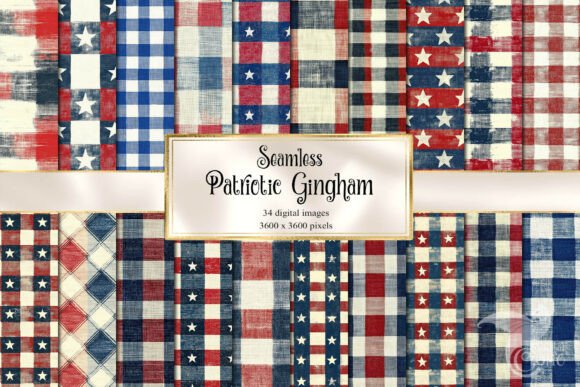
When you are curating digital assets for a seasonal campaign or a personal craft project, the difference between a design that feels generic and one that feels curated often comes down to texture. Patriotic Gingham Linen Textures offer a sophisticated solution for creators who want to infuse their work with the spirit of American holidays without relying on clichéd, flat graphics. This collection of 34 red, white, and blue gingham digital papers bridges the gap between classic plaid patterns and the tactile warmth of natural fabric, providing a versatile foundation for scrapbooking, journaling, stationery, and printable crafts.
However, many creators overlook the technical and aesthetic nuances of using textured digital backgrounds. Simply downloading a file and slapping it into a layout is rarely enough to achieve a professional result. To truly leverage the potential of these linen-inspired designs, you must understand how resolution, color balance, and pattern scale interact with your other design elements. By avoiding common pitfalls, you can ensure your final products look cohesive, high-quality, and intentionally designed.
The Misconception of "Plug-and-Play" Textures
A frequent mistake among beginners and even some seasoned designers is treating digital textures as mere afterthoughts. Many users assume that because a file is labeled "seamless" or "high resolution," it will automatically blend with foreground elements. This is not always the case. When using Patriotic Gingham Linen Textures, failing to adjust the opacity or blending mode can result in a background that competes with your text or main imagery, causing visual clutter rather than enhancing readability.
For instance, if you are designing a Fourth of July invitation, placing bold black text directly over a bright red and white gingham pattern can create a vibrating effect that strains the eye. The linen texture adds depth, but it also adds visual noise. A better approach is to use a semi-transparent overlay or a solid color block behind your text. This preserves the cozy, handmade aesthetic of the linen look while ensuring your message remains legible. Always preview your design at actual print size to check for contrast issues before finalizing your file.
Overlooking Resolution and Print Quality
One of the most critical technical aspects of any digital paper collection is resolution. This specific collection offers files at 300 DPI (dots per inch) with dimensions of 12 x 12 inches (3600 x 3600 pixels). While this is the industry standard for high-quality printing, problems arise when users resize images incorrectly. Upscaling a lower-resolution image or compressing a 300 DPI file for web use without proper optimization can lead to pixelation or muddy colors.
Many small business owners selling printable crafts on platforms like Etsy or Shopify mistakenly upload compressed JPEGs to save space, only to receive customer complaints about blurry prints. To avoid this, always keep your original 300 DPI files archived separately from your web-ready versions. When preparing files for customers, ensure you are not inadvertently reducing the quality during the export process. If you are using these textures for large-format prints, such as banners or posters, verify that the 12x12 inch base size is sufficient for your needs, or be prepared to tile the seamless pattern carefully to maintain clarity across a larger canvas.
Ignoring Color Harmony in Patriotic Designs
The term "patriotic" often triggers an immediate association with primary red, white, and blue. However, a common aesthetic error is using these colors in their most saturated, digital forms, which can look harsh and artificial. The beauty of Patriotic Gingham Linen Textures lies in their subtle, fabric-like appearance. The linen texture naturally softens the colors, giving them a vintage, cottagecore appeal. Ignoring this nuance by pairing these backgrounds with neon or overly bright foreground elements can break the cohesive, warm vibe.
To maintain the intended aesthetic, consider using complementary earth tones or muted shades alongside the primary patriotic colors. For baby crafts or vintage-inspired designs, opt for softer navy blues and brick reds rather than electric blue and fire-engine red. This approach respects the natural fabric feel of the linen texture and creates a more sophisticated, timeless look. Before finalizing your color palette, view your design on different screens, as color calibration varies significantly between devices.
Neglecting the Versatility of Seamless Patterns
Another overlooked detail is the power of seamless textures. With 34 unique designs in this collection, users have a wide variety of scales and color balances. Yet, many creators stick to just one or two favorites, missing out on the dynamic range available. Some gingham patterns feature larger checks, ideal for bold statements or background fills, while others have finer weaves, perfect for subtle accents or layering.
Failing to experiment with different scales can make a series of projects look repetitive. For example, if you are creating a set of journaling cards, use a large-scale gingham for the cover and a finer, more textured linen pattern for the interior pages. This variation adds visual interest and guides the viewer’s eye through the project. Additionally, because these are seamless, you can extend them indefinitely. Use this feature to create custom-sized backgrounds for web headers or social media stories without worrying about awkward cuts or visible seams.
Best Practices for Integrating Linen Textures
To get the most out of your Patriotic Gingham Linen Textures, follow these practical steps:
- Check Licensing Terms: Ensure you understand the usage rights, especially if you are selling physical or digital products made with these papers. Most instant downloads allow for commercial use, but verifying this prevents legal issues later.
- Layer Strategically: Use the linen texture as a base layer, then add elements like lace, twine, or handwritten fonts to enhance the handmade feel. Avoid overcrowding the design; let the texture breathe.
- Test Print Samples: Before committing to a large print run, print a single sheet on the paper stock you intend to use. Colors can shift significantly between screen and print, especially with textured backgrounds.
- Organize Your Files: With 34 JPEGs, file management can become chaotic. Create folders based on color dominance or pattern scale to streamline your workflow during future projects.
Making the Right Choice for Your Project
Before purchasing or downloading any digital asset, ask yourself whether it aligns with your brand identity and project goals. Patriotic Gingham Linen Textures are ideal for those seeking a warm, nostalgic, or rustic aesthetic. If your brand leans towards ultra-modern, minimalist, or sleek corporate styles, these textures might not be the best fit. Evaluating your design direction beforehand saves time and ensures consistency across your creative output.
Ultimately, the value of this collection lies in its ability to add depth and character to digital designs. By paying attention to resolution, color harmony, and layering techniques, you can transform simple gingham patterns into standout elements that resonate with your audience. Whether you are crafting holiday decorations, designing educational materials, or building a product line, these textures provide a reliable, high-quality foundation for your creativity.