Embracing Nostalgia: The Strategic Appeal of Vintage Pink Shabby Chic Paper in Modern Creative Workflows
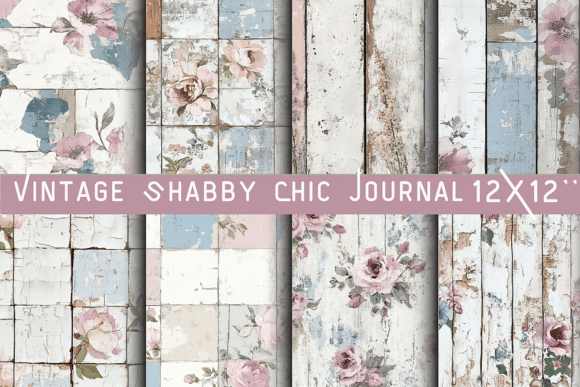
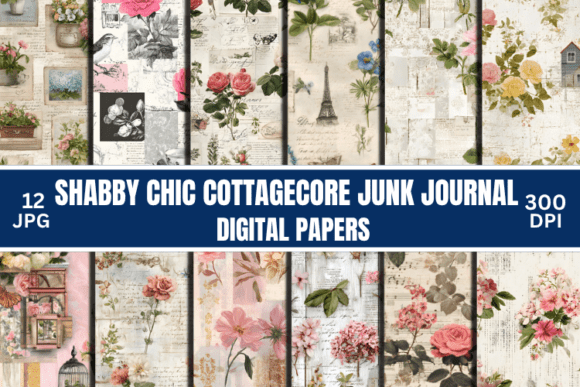
In an era defined by rapid digital transformation and ephemeral content, a counter-movement is gaining significant traction among creators, entrepreneurs, and design professionals. There is a growing demand for tangible, tactile experiences that evoke warmth, history, and emotional resonance. At the forefront of this aesthetic shift is Vintage Pink Shabby Chic Paper, a design resource that transcends mere decoration to become a vital tool for storytelling and brand differentiation. This collection, featuring seamless vintage shabby chic florals and soft pink rose patterns, offers more than just visual appeal; it provides a structured yet organic framework for modern creative projects.
The Resurgence of Tactile Authenticity in a Digital Age
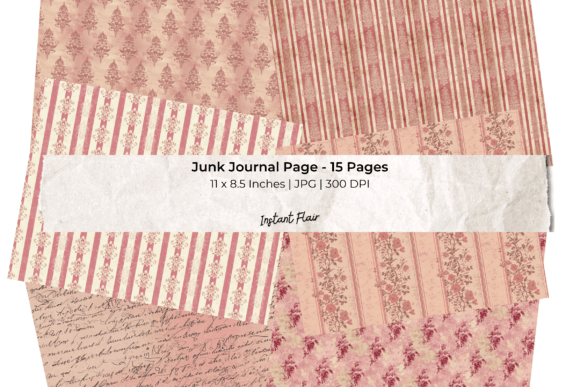
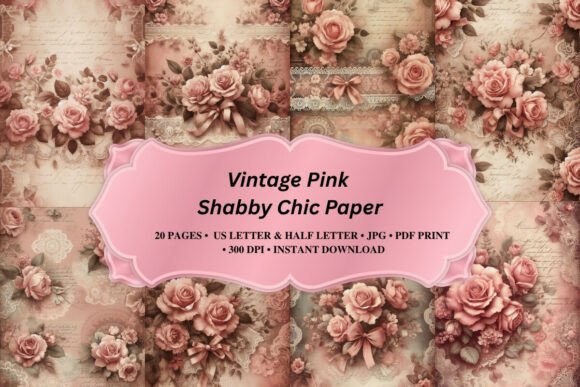
The popularity of Vintage Pink Shabby Chic Paper is not an isolated trend but part of a broader cultural pivot toward authenticity and mindfulness. As professionals and consumers alike experience digital fatigue, there is a renewed appreciation for materials that feel handcrafted and time-worn. These digital journal pages, layered over soft, weathered textures and aged paper in beautiful blush and rose pink tones, satisfy a psychological need for comfort and stability. The delicate lace doily borders and ribbon bows are not merely decorative elements; they serve as visual anchors that slow down the viewer’s eye, encouraging deeper engagement with the content.
For marketers and brand strategists, understanding this shift is crucial. The "shabby chic" aesthetic, often misunderstood as merely cluttered or old-fashioned, is actually a sophisticated exercise in curated imperfection. It signals approachability, heritage, and attention to detail. When integrated into business materials, such as luxury packaging, high-end stationery, or boutique marketing collateral, these designs communicate a narrative of care and craftsmanship that sterile, minimalist designs often fail to convey.
Design Mechanics: Why the Aesthetic Works
The effectiveness of Vintage Pink Shabby Chic Paper lies in its complex layering and tonal subtlety. Each page is designed with authentic handwritten script overlays that mimic the personal touch of a letter from a bygone era. This combination of typography and texture creates a multi-sensory experience, even in a digital format. The tonal variations and subtly distressed look ensure that no two pages feel identical, providing the variety necessary for dynamic storytelling.
From a design theory perspective, the use of soft pink and rose tones is strategic. These colors are associated with compassion, nurturing, and calm, making them ideal for industries focused on wellness, lifestyle, beauty, and personal development. The seamless floral patterns provide a background that is engaging without being overwhelming, allowing foreground content—whether text, photography, or product images—to stand out while remaining harmoniously integrated.
Practical Applications for Professionals and Creators
The versatility of these digital assets makes them invaluable across various professional workflows. Here is how different sectors can leverage Vintage Pink Shabby Chic Paper to enhance their output:
- Brand Identity and Packaging: Boutique businesses can use these patterns for internal packaging tissues, thank-you cards, and limited-edition labels. The romantic, feminine atmosphere aligns perfectly with brands targeting a demographic that values elegance and nostalgia.
- Content Marketing and Social Media: In a feed dominated by bold, high-contrast graphics, posts featuring soft, textured backgrounds stand out through contrast. Marketers can use these pages as backdrops for quotes, testimonials, or product highlights, creating a cohesive and aesthetically pleasing grid that invites followers to pause and read.
- Digital Product Creation: For entrepreneurs selling digital planners, journals, or printables, these files offer a premium foundation. The ability to print two pages per sheet on standard US Letter paper to create a perfect Half Letter journal adds immediate value for end-users who prefer physical copies.
Technical Flexibility and Workflow Integration
One of the primary concerns for modern creators is compatibility and ease of use. Vintage Pink Shabby Chic Paper addresses this by being designed for seamless integration into existing workflows. Whether you are using professional design software or simple home printing setups, these files are optimized for flexibility.
For those utilizing standard home printers, the design allows for efficient resource usage. By selecting multiple or 2 pages per sheet in your printer settings, users can resize these pages easily for junk journal projects or half-letter inserts. This feature is particularly relevant for small business owners and freelancers who need to produce high-quality physical materials without investing in industrial printing equipment. Furthermore, the files are fully compatible with A4 paper. Simply selecting "Fit to Page" in your printer settings ensures that the intricate details of the lace doilies and script overlays remain crisp and proportionate, regardless of the regional paper standard.
Creative Ideas for Use
Beyond traditional journaling, the application of these designs extends into various creative domains:
- Frame as Art: Print the floral or script-heavy pages for elegant, vintage-inspired wall decor. This is an cost-effective way for interior designers or homeowners to add character to spaces without the expense of original artwork.
- Junk Journals: Use as nostalgic focal pages or beautifully aged background papers. The distressed look provides an instant sense of history, making it easier for artists to build layered, complex compositions.
- Scrapbooks: Create cohesive layouts, backgrounds, or fussy-cut elements for unique layers. The seamless nature of the patterns allows for easy tiling and extension, ensuring that large formats can be covered without visible breaks.
- Stationery: Design elegant writing paper, envelopes, and note cards. The handwritten script overlays add a personal touch that enhances the perceived value of correspondence, whether for business networking or personal connection.
Aligning with Consumer Expectations for Personalization
The modern consumer expects personalization. Mass-produced, generic items no longer suffice in many market segments. Vintage Pink Shabby Chic Paper empowers creators to offer customized experiences. By using these digital assets, a freelancer can create a unique client proposal package, or a marketer can design a limited-run campaign that feels exclusive and hand-curated.
This aligns with the broader trend of "prosumerism," where individuals take on roles traditionally held by professionals. With access to high-quality digital resources like these, non-designers can produce professional-grade materials. The intuitive nature of the shabby chic style—where imperfections are celebrated—lowers the barrier to entry. Users do not need to worry about perfect alignment or sterile precision; instead, they can focus on composition and narrative, trusting the underlying textures to provide visual cohesion.
Sustainability and the Longevity of Design Trends
While trends come and go, the appeal of vintage aesthetics has proven resilient. Unlike fleeting fads, the shabby chic style draws on historical design principles that have endured for centuries. By incorporating Vintage Pink Shabby Chic Paper into their libraries, professionals are investing in assets that will remain relevant. Moreover, the digital nature of these products supports sustainability efforts. By printing only what is needed, on demand, creators reduce waste associated with mass production and inventory storage.
The ability to repurpose these designs across multiple mediums—from digital screens to printed art—further enhances their value. A single purchase can yield materials for a website background, a printed brochure, and a piece of framed art, maximizing the return on investment for budget-conscious entrepreneurs.
Conclusion: Elevating Projects with Timeless Elegance
Incorporating Vintage Pink Shabby Chic Paper into your creative toolkit is more than an aesthetic choice; it is a strategic decision to connect with audiences on a deeper, emotional level. In a marketplace saturated with noise, these designs offer a quiet confidence, a touch of romance, and a sense of enduring quality. Whether you are designing a luxury brand identity, creating personal art, or developing digital products for sale, these resources provide the foundational texture needed to bring your vision to life.
By understanding the psychological impact of nostalgic design and leveraging the technical flexibility of these digital files, professionals can create work that is not only visually stunning but also meaningful and memorable. As the demand for authentic, tactile experiences continues to grow, the relevance of vintage-inspired assets will only increase, making now the ideal time to integrate these timeless patterns into your workflow.