Vintage Shabby Chic Journal Paper: A Romantic Texture Guide
There is a specific kind of quiet nostalgia that only distressed textures and faded florals can evoke. In an era where digital perfection often dominates our screens, the Vintage Shabby Chic Journal Paper collection offers a necessary return to tactile warmth. This isn't just about slapping a filter on an image; it is about integrating genuine character into your creative workflow. Whether you are a scrapbooker assembling a memory book, a small business owner designing product packaging, or a digital artist creating ephemera for a junk journal, these assets provide the foundational layer of storytelling that flat colors simply cannot achieve.
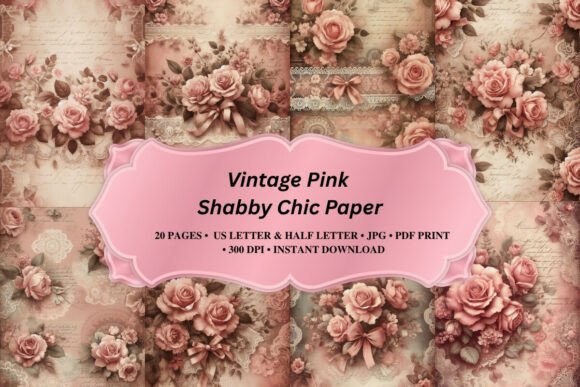
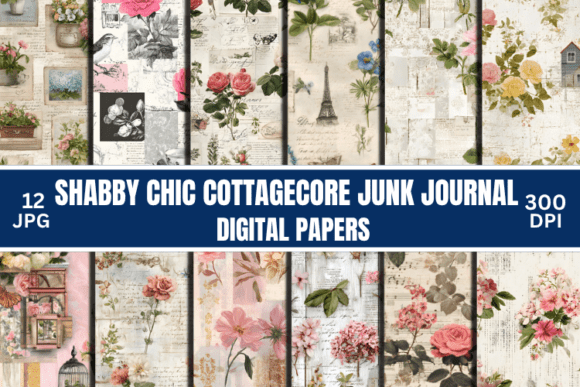
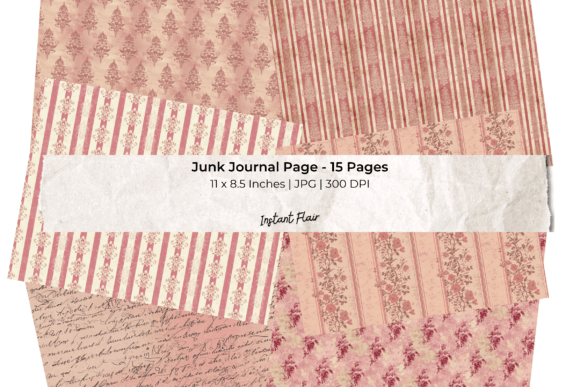
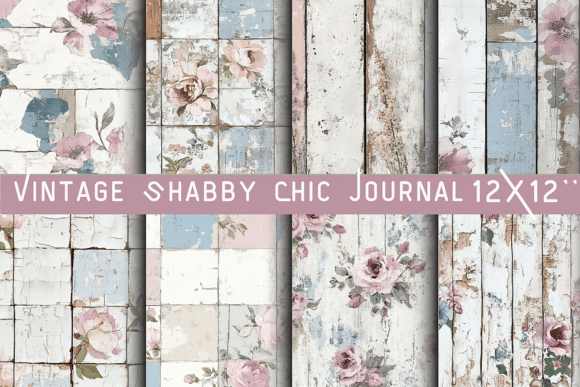
The visual personality of this collection is defined by its imperfections. Each of the 12 high-resolution designs carries the weight of history, featuring soft romantic layers that mimic aged parchment, peeling paint, and delicate lace. The color palette—spanning soft pink, ivory cream, muted rose, pale blue, and antique beige—is carefully curated to avoid the harshness of modern primaries. Instead, these hues whisper rather than shout, creating a backdrop that allows your foreground elements, such as handwritten fonts or photography, to take center stage without competing for attention. When you work with files delivered at 300 DPI in PNG format, you aren't just getting an image; you are getting a professional-grade texture that holds up under the scrutiny of high-quality print production.
Where Textured Backgrounds Elevate Brand and Personal Projects
The utility of Vintage Shabby Chic Journal Paper extends far beyond traditional paper crafts. While it is undeniably perfect for junk journals, planner inserts, and stationery design, its application in branding and marketing is equally potent. Consider the current trend in "slow living" brands and artisanal products. A coffee shop launching a new seasonal blend or a boutique selling handmade soaps needs more than a clean, white background to convey their value proposition. They need texture that suggests care, time, and human touch.
In packaging design, these opaque non-transparent backgrounds serve as excellent liners for boxes or labels for jars. The distressed paint textures and faded floral patterns immediately signal to the consumer that the product inside is crafted with intention. For social media graphics, particularly on platforms like Instagram and Pinterest where aesthetics drive engagement, using these 12x12 inch designs as base layers can stop the scroll. When you overlay a bold sans serif font or an elegant script font onto these textured backgrounds, you create a visual hierarchy that feels curated and expensive, even if the production cost was minimal.
Publishers and editorial designers also find immense value here. If you are laying out a cookbook, a romance novel, or a lifestyle magazine feature, the right background can set the entire mood of the spread. Using these antique paper effects as full-page backgrounds or as subtle watermarks behind text blocks adds depth to the layout. It prevents the "sterile" look that often plagues digital-first publications when they move to print. The key is recognizing that these assets act as a bridge between the digital file and the physical sensation of holding something old and cherished.
Enhancing Readability and Visual Hierarchy Through Texture
A common misconception among newer designers is that busy textures ruin readability. However, when used correctly, textures like those found in the Vintage Shabby Chic Journal Paper pack actually enhance visual hierarchy. The secret lies in contrast and layering. Because these backgrounds feature muted tones and soft gradients, they provide a natural "quiet space" for typography to rest.
When building a brand identity, consistency is king. If your brand voice is warm, inviting, and nostalgic, your visual assets must reflect that. Using a consistent texture across your business cards, website headers, and product tags creates a cohesive narrative. The distressed elements in these papers break up large blocks of color, guiding the eye naturally across the page. For instance, a area of heavier distress or a cluster of floral details can subtly direct the viewer's gaze toward a call-to-action or a logo.
Regarding font pairing, these backgrounds are incredibly versatile. They pair beautifully with serif fonts that have high contrast, echoing the delicate lines of the lace-inspired details within the paper. Alternatively, a rough, stamp-style display font can complement the peeling paint textures, reinforcing the vintage aesthetic. For a more modern twist, try pairing these antique backgrounds with a clean, geometric modern typography choice. The juxtaposition of the crisp, digital letterforms against the organic, worn paper creates a dynamic tension that feels contemporary yet rooted in tradition. Always test your text legibility by placing it over the busiest parts of the texture; if it gets lost, consider adding a subtle semi-transparent overlay or choosing a bolder font weight.
Practical Selection and Implementation Strategies
Choosing the right design from a collection requires looking past the initial thumbnail and considering the end use. The Vintage Shabby Chic Journal Paper digital pack includes 12 distinct designs, each with varying levels of distress and floral density. For projects requiring heavy text coverage, such as journaling cards or invitation details, select the pages with more open negative space and lighter floral patterns. Reserve the heavily textured pages with bold distressed paint for covers, dividers, or standalone art prints where the texture itself is the main event.
Technical preparation is just as important as aesthetic selection. Since these files are delivered as high-resolution PNGs at 3600 × 3600 pixels, they are ready for immediate use in both digital and print workflows. However, always ensure your software is set to handle 300 DPI files to maintain that crisp, professional print quality. If you are using these for web design, remember to optimize the file size. While the original files range from 8–18 MB to preserve detail, web usage typically requires compression to ensure fast loading times without sacrificing too much visual fidelity.
For entrepreneurs and content creators, understanding licensing is crucial. These assets are designed to be versatile design assets for both personal and commercial projects. Whether you are selling finished physical goods like scrapbooks and planners or using them in digital templates for clients, the flexibility of these backgrounds allows for scalable creativity. Just as you would vet a commercial font for license terms, ensure your usage of these textures aligns with the provider's guidelines, especially if you are incorporating them into items for resale.
Ultimately, the power of this collection lies in its ability to inject soul into your work. In a marketplace saturated with generic templates, the Vintage Shabby Chic Journal Paper offers a way to stand out through authenticity. It invites the audience to lean in, to look closer, and to feel a connection that goes beyond the screen. By thoughtfully integrating these faded florals and antique effects into your editorial design, logo design, or daily crafting, you elevate the perceived value of your output, proving that sometimes, the most powerful design element is the one that looks like it has been there all along.