Rustic Linen Textile Backgrounds: Strategic Visual Assets for Brand Cohesion
In the crowded landscape of digital design and physical print media, texture is often the silent differentiator between a generic output and a memorable brand experience. Rustic Linen Textile Backgrounds are not merely decorative elements; they are strategic tools that convey tactile warmth, authenticity, and artisanal quality. For entrepreneurs, marketers, and creators, understanding how to leverage these assets can significantly enhance the perceived value of their work. Whether you are designing a high-end invitation suite, crafting a junk journal, or developing packaging for a boutique product, the choice of background texture communicates subconscious cues about quality and attention to detail.
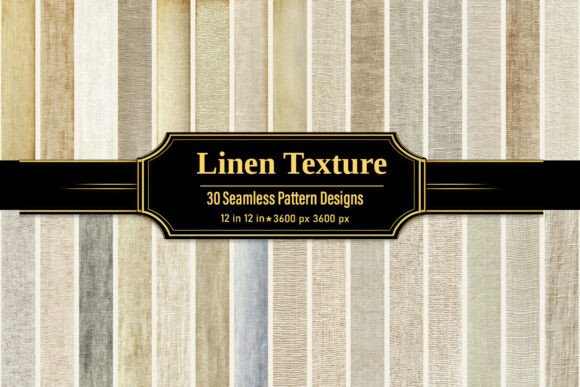
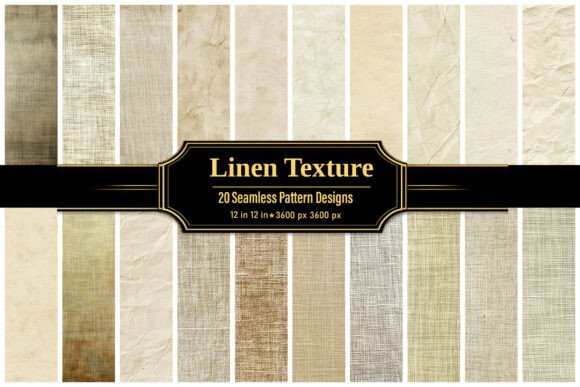
This article explores the practical application of a curated collection of 20 linen fabric texture digital papers. We will examine how these seamless, high-resolution assets can be integrated into your workflow to support broader goals in branding, customer experience, and creative productivity. By moving beyond random aesthetic choices and adopting a intentional approach to texture, you can achieve more consistent and impactful results.
The Strategic Value of Tactile Authenticity
In an increasingly digital world, consumers crave connection and authenticity. This phenomenon, often referred to as "digital tactileism," suggests that visuals which mimic physical textures can evoke emotional responses similar to touching the actual material. Rustic Linen Textile Backgrounds tap into this psychological trigger. Linen, with its inherent irregularities, natural weave, and subtle grunge characteristics, signals organic origins and craftsmanship.
When you incorporate these textures into your projects, you are doing more than adding a background; you are positioning your brand or project as thoughtful and grounded. For small business owners and freelancers, this distinction is crucial. A flat, solid-color background may serve a functional purpose, but it rarely engages the viewer on an emotional level. In contrast, a linen texture adds depth and narrative, suggesting that care was taken in every aspect of the design process.
Consider the implications for branding. If your brand values sustainability, heritage, or handmade quality, using realistic cloth and canvas textures aligns your visual identity with your core message. This alignment builds trust. Customers are more likely to perceive a product as premium if its visual presentation mirrors the qualities they associate with luxury and durability. Therefore, the decision to use linen textures should be driven by your strategic positioning, not just personal preference.
Optimizing Workflow with High-Resolution Seamless Patterns
Efficiency is a critical component of creative productivity. One of the primary advantages of this specific bundle of 20 JPG files is their technical specification. Each file is sized at 12 x 12 inches with a resolution of 3600 x 3600 pixels at 300 DPI. This high resolution ensures that the textures remain crisp and detailed whether used in digital formats or large-scale print applications.
The seamless nature of these patterns is particularly valuable for operational efficiency. A seamless pattern can be tiled infinitely without visible joints or breaks. This feature allows designers to cover large areas—such as website backgrounds, wrapping paper, or fabric prints—without the need for complex editing or manual blending. For educators and publishers creating worksheets or book covers, this saves significant time. Instead of sourcing multiple images or struggling with alignment issues, you can apply the texture as a fill layer and adjust the scale to suit your needs.
Furthermore, having a cohesive pack of 20 varied colors and subtle grunge levels provides a standardized visual library. This consistency is essential for maintaining brand coherence across different touchpoints. When you have a predefined set of assets, you reduce decision fatigue. You no longer need to search for new textures for every project; instead, you select from your established palette, ensuring that your invitations, stationery, and social media graphics all share a common visual language.
Practical Applications Across Industries
To maximize the return on investment for these digital assets, it is helpful to consider specific use cases where linen textures add tangible value. Here are several scenarios where Rustic Linen Textile Backgrounds can enhance outcomes:
- Junk Journals and Scrapbooking: These hobbies rely heavily on layering and texture. Linen backgrounds provide a neutral yet interesting base that allows photos, ephemera, and handwritten notes to stand out. The subtle grunge elements add a vintage-inspired look that complements aged paper and stickers, creating a cohesive nostalgic aesthetic.
- Wedding and Event Invitations: For event planners and couples, the invitation sets the tone for the occasion. Linen textures convey elegance and tradition. Using these digital papers for printable crafts allows for cost-effective production of high-end looking stationery. The realistic cloth appearance mimics expensive letterpress or embossed paper, elevating the perceived value of the invitation.
- Product Packaging and Branding: Small business owners selling artisanal goods, such as soaps, candles, or baked items, can use these textures for label designs and box liners. The natural look of linen reinforces the organic nature of the products, creating a harmonious unboxing experience that delights customers and encourages social sharing.
- Digital Design and Web Backgrounds: Bloggers and web designers can use these seamless patterns to create warm, inviting website backgrounds. Unlike stark white or black backgrounds, linen textures reduce eye strain and add a sense of comfort, keeping visitors on the page longer. This is particularly effective for lifestyle blogs, coaching websites, and online portfolios.
Risk Management: Avoiding Visual Clutter
While texture is powerful, it carries the risk of visual clutter if used indiscriminately. A common mistake among novice designers is overpowering the foreground content with a busy background. To mitigate this risk, always prioritize readability and hierarchy. Before applying a linen texture, ask yourself: Does this enhance the message, or does it distract from it?
Strategic use involves moderation. If your text or main image is complex, choose a lighter, more subtle linen variant from the pack. Conversely, if your design is minimal, you can afford a bolder texture with more pronounced grunge elements. It is also advisable to adjust the opacity of the texture layer in your design software. Lowering the opacity can soften the effect, allowing the color and weave to serve as a hint rather than a dominant feature.
Another consideration is color harmony. The bundle offers a wide range of colors, but selecting the wrong shade can clash with your brand palette. Always test the texture against your primary brand colors. Use tools like eyedroppers to ensure that the tones complement rather than compete. Remember, the goal is to support your content, not to overshadow it.
Decision-Making Framework for Creative Projects
When deciding whether to incorporate Rustic Linen Textile Backgrounds into a specific project, consider the following framework:
- Define the Objective: What is the primary goal of this design? Is it to inform, sell, or entertain? If the goal is to convey trust and warmth, linen is an excellent choice. If the goal is to appear futuristic or tech-forward, it may be inappropriate.
- Identify the Audience: Who will see this? Demographics matter. Older audiences may appreciate the classic, vintage feel of linen, while younger audiences might prefer cleaner, modern aesthetics. However, the current trend towards "cottagecore" and sustainable living means linen appeals to a broad demographic.
- Assess the Medium: Will this be viewed on a screen or printed? Since these files are 300 DPI, they are suitable for both. However, keep in mind that screens emit light, which can make textures appear brighter. Print absorbs ink, which can deepen the shadows in the weave. Preview your design in both formats if possible.
- Evaluate Consistency: Does this texture fit with your existing visual assets? Consistency builds recognition. If you have used linen textures in previous campaigns, continuing this theme strengthens your brand identity.
Long-Term Benefits of Intentional Design Choices
Investing in high-quality digital assets like this linen fabric texture pack yields long-term benefits. By establishing a library of reliable, versatile backgrounds, you streamline future projects. You reduce the time spent searching for free, low-quality alternatives that often come with licensing restrictions or poor resolution. This efficiency translates to higher productivity and the ability to take on more clients or projects.
Moreover, intentional design choices contribute to brand equity. Over time, consistent use of specific textures becomes part of your brand's signature style. Customers begin to associate that tactile feel with your quality and reliability. This association is a powerful asset in competitive markets, where differentiation is key to survival and growth.
In conclusion, Rustic Linen Textile Backgrounds offer more than just aesthetic appeal. They provide a strategic advantage for those who understand how to use them effectively. By focusing on goals, planning, and audience needs, you can transform simple digital papers into powerful tools for communication and branding. Whether you are a seasoned designer or a hobbyist, approaching texture with intention will elevate your work and deliver better results.