Seamless Marble Textures - Alabaster, 4K: A Comprehensive Review for Designers
In the realm of digital design and architectural visualization, the quality of surface materials can significantly influence the perceived value of a final composition. Seamless Marble Textures - Alabaster, 4K represents a specialized collection aimed at professionals who require high-fidelity stone surfaces without the technical hurdles of manual pattern correction. This article evaluates the utility, technical specifications, and ideal use cases for this bundle, helping designers determine if it aligns with their project requirements.
Understanding the Alabaster Aesthetic
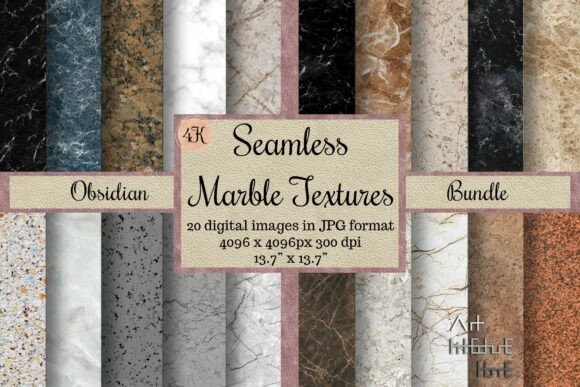
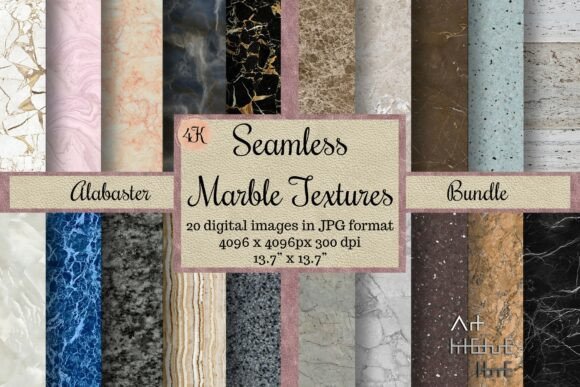
The core appeal of this bundle lies in its specific stylistic focus: alabaster. Unlike bold, high-contrast marbles such as Carrara or Calacatta, which feature dramatic, thick veining, alabaster is characterized by its translucency, softness, and subtlety. The textures in this collection feature white, off-white, and cream base tones with delicate gray veining. This creates a serene and pristine aesthetic that leans heavily into minimalist sophistication.
For designers working on luxury branding, spa interiors, or high-end packaging, the understated elegance of alabaster offers a neutral yet refined backdrop. It avoids visual clutter, allowing typography and primary design elements to take center stage. The "soft veining throughout" ensures that the texture feels organic and natural, rather than artificially generated or repetitive, which is a common pitfall in lower-quality stock assets.
Technical Specifications and Quality Assessment
When evaluating digital textures, resolution and seamlessness are the two most critical factors. This bundle addresses both through rigorous technical standards.
- Resolution: Each image is delivered in 4K format, specifically 4096 x 4096 pixels. At 300 DPI, this translates to a physical print size of approximately 13.7 x 13.7 inches (34.8 x 34.8 cm). This high pixel density ensures that details remain sharp even when viewed up close or printed on premium materials.
- Seamless Tileability: Perhaps the most valuable feature for 3D artists and web designers is the seamless nature of these files. A seamless texture can be repeated horizontally and vertically without visible junction lines or patterns breaking. This is essential for creating large-scale backgrounds, flooring in architectural renders, or wrapping 3D models without obvious repetition artifacts.
- File Format: The textures are provided as JPG files within a ZIP archive. While PNG or TIFF formats offer lossless compression, high-quality JPGs at 4K resolution often provide a sufficient balance between file size and visual fidelity for most digital applications.
Practical Applications and Use Cases
Understanding where these textures fit best helps in assessing their value. The Seamless Marble Textures - Alabaster, 4K bundle is particularly strong in the following scenarios:
Architectural Visualization and Interior Design
Architects and interior designers frequently need realistic material representations for client presentations. The alabaster style is popular in modern minimalist interiors, bathrooms, and kitchen countertops. Because the textures are tileable, they can be applied to large floor areas or wall claddings in software like SketchUp, Revit, or Blender without requiring complex UV mapping adjustments to hide seams.
Luxury Branding and Packaging Design
In graphic design, texture adds depth and tactile perception to flat digital mockups. Using these marble textures as backgrounds for product packaging—such as cosmetics, jewelry, or premium stationery—conveys a sense of luxury and cleanliness. The off-white and cream variations provide warmth, preventing the design from feeling too sterile, while the subtle gray veins add structural interest.
Digital Paper and Web Backgrounds
For web designers, lightweight yet high-quality backgrounds are crucial. While 4K images are large, they can be scaled down for web use while retaining exceptional clarity. The seamless nature allows for efficient CSS background-repeat implementation, ensuring consistent coverage across various screen sizes without noticeable tiling errors.
Considerations and Tradeoffs
While the bundle offers significant advantages, it is important to consider potential limitations to ensure it meets your specific needs.
Color Palette Limitations: This collection is strictly focused on the alabaster spectrum—whites, creams, and soft grays. If your project requires dark marbles, vibrant colors, or heavy, dramatic veining, this bundle will not suffice. It is a niche product designed for a specific aesthetic. Designers seeking variety in color tones may need to supplement this with other texture packs.
File Format Constraints: The use of JPG format means the files are lossy compressed. For most visual purposes, this is imperceptible. However, for extremely high-end print work where absolute color accuracy and no compression artifacts are required, some professionals might prefer TIFF or PSD files with layered options. Additionally, JPGs do not support transparency, so any isolation of the marble from its background must be done manually if needed.
Scale and Proportion: Although the textures are seamless, the scale of the veining is fixed at the time of capture. In 3D modeling, you may need to adjust the UV scale to match the real-world dimensions of the object you are texturing. If the veining appears too large or too small for your specific application, you will need to resize the texture, which could impact performance or clarity depending on the direction of the scaling.
Comparing Alternatives
When deciding whether to purchase this bundle, consider how it compares to other sources of marble textures:
- Free Stock Photo Sites: While free resources exist, they rarely offer guaranteed seamless tiling. Designers often spend hours manually editing edges in Photoshop to make a standard photo tileable. This bundle saves time by providing pre-processed, ready-to-use assets.
- Procedural Texture Generators: Software like Substance Designer can create infinite marble variations. However, achieving a realistic, natural look requires significant skill and time. For designers who need immediate, photorealistic results without a steep learning curve, pre-made textures like these are more efficient.
- Generic Marble Packs: Many texture bundles mix various marble types. If you only need one or two alabaster textures, a large generic pack might be overkill. Conversely, if you need twenty variations of the same subtle style for consistency across a large project, this specialized bundle offers better coherence than picking individual images from disparate sources.
Decision-Making Insights
To determine if Seamless Marble Textures - Alabaster, 4K is the right choice for your workflow, ask yourself the following questions:
- Do I need seamless tiling? If you are working on 3D models, large web backgrounds, or repeating patterns, the answer is likely yes. If you are using the image as a single, static backdrop for a poster, seamlessness is less critical, though still beneficial for flexibility.
- Does the alabaster style fit my brand or project mood? Evaluate if the soft, minimalist aesthetic aligns with your design goals. If you need bold drama, look elsewhere. If you need calm elegance, this is a strong fit.
- Is 4K resolution necessary? For digital screens, 4K is future-proof and allows for cropping. For print, ensure that the 300 DPI at 13.7 inches meets your size requirements. If you need larger prints, you may need to upscale using AI tools, which can introduce artifacts.
Conclusion
The Seamless Marble Textures - Alabaster, 4K bundle serves as a specialized tool for designers prioritizing efficiency and aesthetic consistency. Its strength lies in the high-resolution, tileable nature of the files, combined with a curated selection of serene, minimalist marble variations. While it may not replace the flexibility of procedural generation or the breadth of a multi-style library, it offers a practical, high-quality solution for projects demanding the refined look of alabaster. By understanding its technical constraints and stylistic focus, designers can effectively integrate these textures into their workflows to enhance visual sophistication and streamline production.