Arts Ancestry Botany Surface: Bringing Vintage Natural History to Modern Design
There is a specific kind of quiet elegance found in old botanical illustrations. It is not just about the plants themselves, but the way they were documented—on aged paper, with faded ink, surrounded by the marginalia of serious study. For modern creators, capturing that aesthetic from scratch is nearly impossible. You cannot simply age a digital file and expect it to look authentic. This is where the Arts Ancestry Botany Surface collection becomes an essential tool rather than just another asset pack. It bridges the gap between historical charm and contemporary digital workflow, offering a ready-made foundation for designs that need to feel established, scholarly, and timeless.
This collection is not designed for loud, high-contrast modern marketing. Instead, it serves creators who are building brands, journals, or educational materials rooted in nature, history, and slow living. Whether you are a small business owner packaging organic soaps, a teacher creating biology worksheets, or a hobbyist compiling a family heritage scrapbook, these backgrounds provide the atmospheric depth that flat white screens lack.
Understanding the Aesthetic and Technical Quality
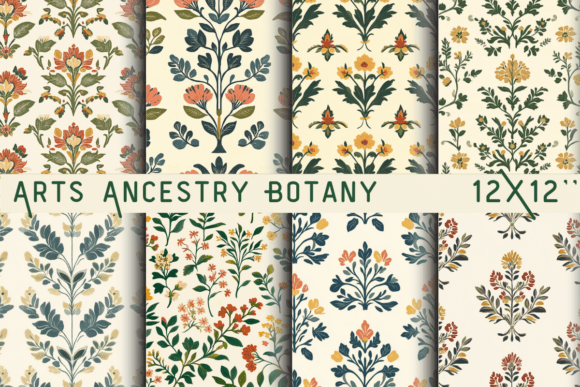
Before diving into use cases, it is important to understand what makes this specific pack effective. The Arts Ancestry Botany Surface Digital Pack includes twelve high-resolution designs, each delivered in PNG format at 3600 × 3600 pixels. At 300 DPI, these files are print-ready, meaning you can scale them for large posters or shrink them for business cards without losing clarity. The file sizes range from 8 to 18 MB per page, which indicates a high level of detail in the textures.
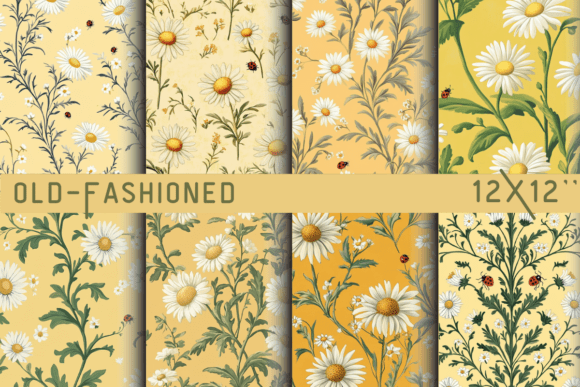
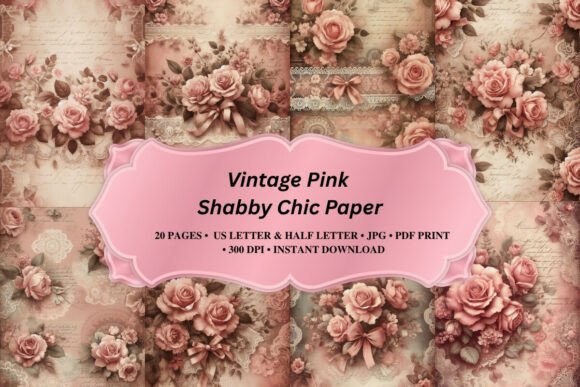
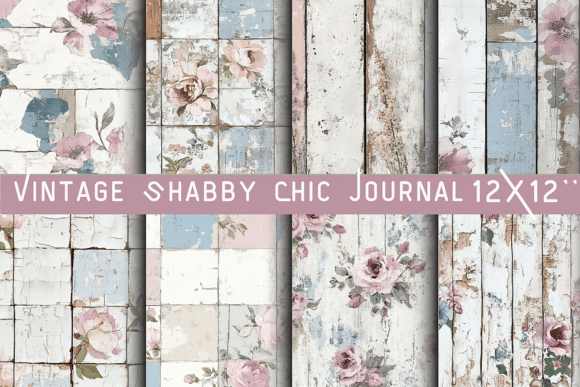
The color palette is restrained and natural. You will find aged sepia, olive green, antique cream, dusty sage, warm brown, and faded ivory. These are not neon or saturated colors; they are muted tones that mimic the effect of time on paper and pigment. The backgrounds are opaque and non-transparent, featuring antique botanical illustrations, heritage-inspired plant motifs, and vintage natural textures. This combination creates a "surface" that looks like an artifact from a historical garden journal or a classic natural history collection.
Real-World Applications for Creators and Entrepreneurs
The versatility of these backgrounds lies in their ability to serve as a subtle stage for other content. Here is how different users can integrate them into their workflows.
Junk Journals and Scrapbooking
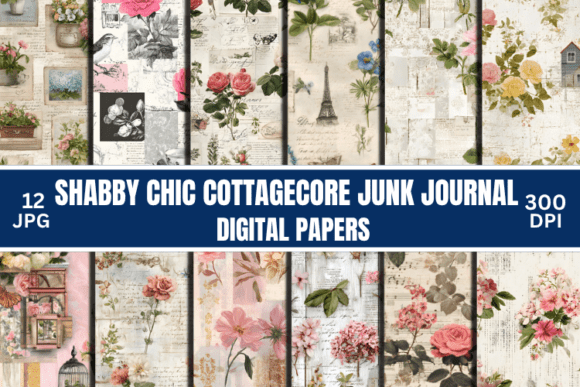
For the junk journal community, background texture is everything. A blank page can feel intimidating, but a page with a faint botanical sketch and the texture of aged parchment invites creativity. Users can print these 12 x 12 inch designs directly onto cardstock to create base pages. Because the designs feature classical botanical patterns and historical garden elements, they pair exceptionally well with pressed flowers, ticket stubs, and handwritten notes. The aged paper surfaces provide a cohesive look, making disparate ephemera feel like they belong together in a single narrative.
Small Business Packaging and Branding
Consider a small business selling handmade herbal teas, artisanal soaps, or botanical candles. The packaging needs to communicate natural ingredients and traditional methods. Using Arts Ancestry Botany Surface designs as the background for product labels or thank-you cards instantly elevates the perceived value of the item. The dusty sage and olive green tones align perfectly with organic branding. Instead of paying for custom illustration work, entrepreneurs can use these pre-designed backgrounds to create a consistent brand identity that feels curated and expensive.
Educational Materials and Homeschooling
Educators and homeschooling parents often struggle to make science materials engaging without relying on sterile, clip-art-heavy worksheets. These backgrounds offer a way to introduce biology and botany with a sense of history. You can overlay text about plant anatomy on top of the antique botanical illustrations. The result is a worksheet that looks like a page from a 19th-century textbook. This approach helps students connect with the subject matter on a deeper level, framing scientific study as a timeless human pursuit rather than just a modern academic requirement.
Digital Planning and Stationery Design
Digital planners have grown in popularity, but many templates lack character. By importing these PNGs into apps like GoodNotes or Notability, users can create planner covers, dividers, and daily pages that feel warm and inviting. The antique cream and faded ivory backgrounds are easy on the eyes, reducing the glare associated with bright white digital screens. For stationery designers, these files can be used to create printable letterheads or note cards that customers can download and print at home, offering a low-cost entry point for selling digital goods.
Why This Collection Stands Out
Many digital paper packs suffer from repetitive patterns or low-resolution textures that look pixelated when printed. The Arts Ancestry Botany Surface collection avoids these pitfalls through its technical specifications and artistic curation. The 300 DPI resolution ensures crisp, professional print quality, which is critical for anyone selling physical products. Furthermore, the inclusion of heritage-inspired plant motifs means that the designs are not just generic "old paper." They contain specific visual information—leaves, stems, roots—that adds intellectual weight to the design.
The color palette is another significant advantage. In design, color psychology plays a huge role. Warm browns and sepia tones evoke nostalgia and comfort, while greens suggest growth and health. By combining these, the collection creates an emotional response in the viewer before they even read the text. This is particularly useful for marketers trying to convey trust and stability.
Practical Considerations Before Use
While these backgrounds are versatile, users should consider a few practical aspects to get the best results. First, because the backgrounds are opaque and detailed, legibility of overlaid text is crucial. If you are adding large blocks of text, ensure you use a high-contrast font color, such as dark brown or black, against the lighter areas of the design. Avoid placing text directly over the densest parts of the botanical illustrations unless you use a text box with a semi-transparent background.
Second, consider the printing medium. While the files are optimized for standard home printers, the rich textures may look even better on matte or textured paper stocks. Glossy paper can sometimes reflect light in a way that diminishes the subtle details of the aged paper effect. Testing a single print on different paper types can help you determine the best presentation for your specific project.
Finally, think about cohesion. Since the pack includes twelve distinct designs, you do not need to use all of them in a single project. Choose two or three that share similar tonal values to maintain a consistent look throughout a journal or brand suite. Mixing too many different patterns can create visual clutter, undermining the elegant simplicity that makes vintage design appealing.
Integrating Heritage into Modern Projects
The Arts Ancestry Botany Surface collection is more than a set of images; it is a resource for storytelling. In a digital age where content is often fleeting and disposable, these designs encourage a slower, more deliberate approach to creation. They remind us of the beauty in observation and the value of preserving natural history. Whether you are designing a wedding invitation suite with a rustic garden theme, creating a memorial book for a loved one who loved gardening, or launching a new line of eco-friendly products, these backgrounds provide the perfect textual and visual foundation.
By choosing tools that prioritize quality and historical accuracy, creators can produce work that resonates on a deeper level. The effort put into selecting the right background pays off in the final product's professionalism and emotional impact. This collection offers a straightforward way to achieve that level of polish without requiring advanced graphic design skills. It allows the user to focus on their message, knowing that the visual context is already handled with care and authenticity.